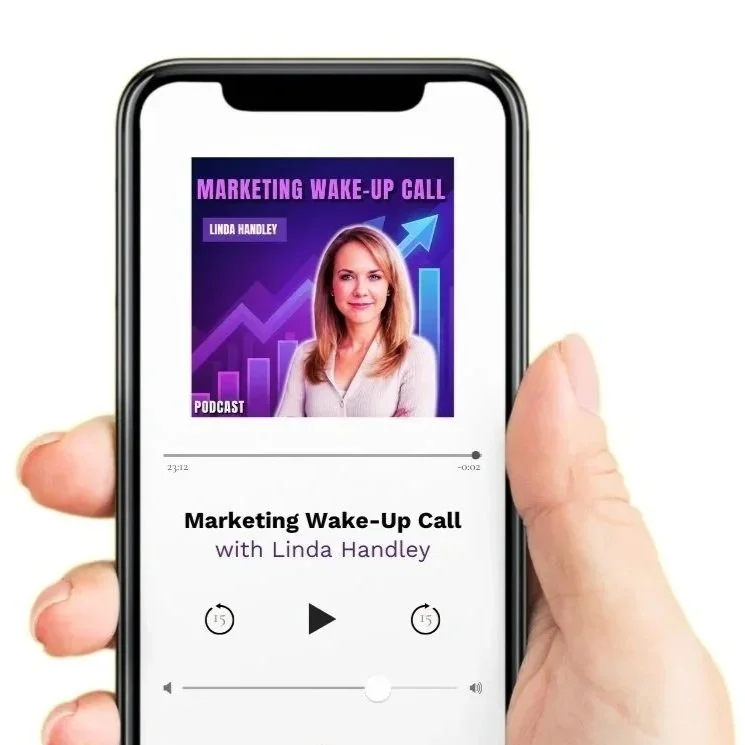
The 3-step follow-up message — and why the second send is the one that books the call.
Last episode I told you that you’re probably not short on leads, you’re leaking the ones you’ve already got. Today I’m handing you the fix.
This episode is about the exact words to use when someone’s already in front of you, without it feeling like a pitch and without you feeling like a completely different person when you hit send. If you’ve ever stared at a message box and closed it because nothing sounded right, that’s not a confidence problem. That’s a script problem, and it’s fixable.
I’ll walk you through a simple 3-step framework for following up with leads, the exact wording I use, and why silence from a prospect almost never means no.
In this episode:
You’ll hear why “I’m bad at this part” almost always means “I don’t know what to say,” not “I’m afraid.”
You’ll get the 3-step message framework: a personalized opener, one value sentence, and a soft invitation.
You’ll learn why silence isn’t a no, and the simple way to circle back without sounding pushy.
You’ll hear a real client story: eight messages, one follow-up, three calls booked.
A breakdown of this episode:
0:00 — Recap: you're leaking leads, not short on them — today's the fix
0:30 — Why "bad at this part" almost never means afraid — it means not knowing what to say
1:00 — Step 1: the personalized opener — one real, specific detail, not "I hope you're well"
1:45 — Step 2: one value sentence — who you help and what changes, not your resume
2:30 — Step 3: the soft invitation — offering something specific with a question mark, not "let me know if interested"
3:15 — Putting it all together: the full sample message, read start to finish
4:00 — Why silence is an inbox, not a no
4:30 — The two-day gentle circle-back message, word for word
5:15 — Client story: the owner posting consistently but feeling unseen
6:00 — What changed — one clear line, one story post, eight messages, three calls booked
7:00 — Your one thing this week: one message a day for five days, then the Friday follow-up
7:45 — CTA: Client Attraction Swipe Kit + outro
“You don’t need a bigger audience. You need a better sentence.”
Frequently asked questions
Q: What should I say when I follow up with a lead?
A: Use three parts. Open with something personal that shows you remember the conversation. Add one sentence of value tied to what they actually need. Close with a soft invitation that makes it easy to say yes. That’s the whole message — it doesn’t need to be long, and it shouldn’t read like a pitch.
Q: Does silence from a prospect mean no?
A: Almost never. People go quiet because they got busy, not because they decided against you. Treat silence as a pause, not a decision, and circle back with a short message that gives them an easy way back in.
Q: How many times should I follow up with a lead?
A: More than once. Most owners send one message and stop. The second message is often the one that books the call, because by then the person has cleared whatever pulled them away.
Q: How do I follow up without sounding pushy or salesy?
A: Lead with something useful instead of a request. When the message is about them — what they’re working on, what would help — the invitation at the end reads as an offer, not a demand.
Resources mentioned in this episode
Related episode: Episode 3 — 3 Ways You’re Losing Clients Right Now Without Knowing It | Lead Conversion Tips